
Choosing a phone used to be a ‘go and grab one with the highest specs under budget’ thing. But buying a smartphone in 2026 is no longer just about picking the device with the biggest screen or the most megapixels. Smartphones have evolved into all-in-one gadgets that handle communication, entertainment, work, payments, and even health tracking. With new technologies like 5G, eSIM, AI-driven cameras, and foldable displays entering the mainstream, choosing the right phone has become both exciting and challenging. Whether you’re a casual user or a power-hungry gamer, knowing which factors matter most will save you money and help you get the best value.
10 Things to Look For on Smartphone Purchase
- Budget
- Performance
- Battery Life & Charging Speed
- Display Size & Type
- Camera Quality & AI Features
- Storage Options
- Connectivity
- Operating System & Software Updates
- Warranty, Official vs Unofficial & NEIR Registration
- Durability & Extra Features
1. Budget
Budget remains the single most important factor in smartphone shopping. In Bangladesh, smartphones typically fall into four broad categories: budget devices under 30,000 BDT, mid-range phones in the 30,000 to 60,000 BDT range, upper mid-range smartphones in the 60,000 to 100,000 BDT range, and flagship models that can cost over 100,000 BDT. Each segment serves different types of users.
Budget phones today offer excellent value, with large displays, 5G connectivity, and decent cameras. Mid-range devices often include AMOLED screens, faster charging, and higher-quality builds, making them the sweet spot for most users. Upper mid-range mobile phones offer near-flagship chipsets, premium builds, better telephoto and video quality, and longer software support. Flagships, on the other hand, focus on cutting-edge innovation such as foldable designs, advanced AI features, and the latest chipsets, but they come at a premium.
When setting your budget, think carefully about what you really need. Do you want a long-lasting device for daily social media use, or do you need a gaming powerhouse? Deciding early will save you from overspending on features you might never use.
2. Performance
Performance is the heart of a smartphone. In 2026, processors like the Qualcomm Snapdragon 8 Elite Gen 6, MediaTek Dimensity 9600 Pro, Samsung Exynos 2600, and Apple's A20 and A20 Pro dominate the market. Phones built on last year's chips, such as the Snapdragon 8 Elite Gen 5 and Dimensity 9500, are still fast and are often much better value. These chipsets handle everything from gaming to multitasking to AI-based functions.
For mid-range phones, look at the Snapdragon 7 and 8s series and MediaTek's Dimensity 7000 and 8000 series. They handle daily use and casual gaming comfortably.

How much RAM?
If you are a light user who wants a phone for browsing, messaging, and streaming videos, then a mid-range processor with 6 GB of RAM will serve you well. 8 GB RAM is the safest baseline for most people in 2026, and a good fit for multitasking and on-device AI features. For heavy gamers, vloggers, or professionals who edit photos and videos on the go, 12 GB of RAM paired with a high-performance chipset is ideal. Some flagships even come with 16 GB RAM, but that’s mostly overkill unless you’re into heavy gaming or advanced creative tasks.
Don’t just look at raw numbers. Check benchmarks, user reviews, and real-world performance. A smooth, responsive phone is better than one with big specs but poor optimization.
3. Battery Life & Charging Speed
Battery life is one of the most practical considerations. Most smartphones in 2026 pack 5000 to 5500 mAh batteries, which easily last a day with regular use. However, gamers, streamers, and vloggers may want even bigger batteries or optimized software that extends usage time. Many Android phones now go well beyond 10000mAh battery capacity thanks to newer silicon-carbon battery technology.
Charging technology has also improved dramatically. While 18W fast charging used to be a premium feature, today many phones offer 65W, 100W, or even 150W charging speeds. This means you can get a 50% charge in just 10 to 15 minutes. Wireless charging has become common in high-end phones, while reverse wireless charging allows you to power accessories like earbuds or smartwatches using your phone.
When choosing, look beyond battery size. Check whether the phone supports USB Type-C Power Delivery (PD), as it ensures faster and safer charging. For those always on the move, a phone with both fast wired and wireless charging is a real advantage.
4. Display (Size, Type & Refresh Rate)
The display is the first thing you interact with, so it’s crucial to get it right. Most smartphones in 2026 come with 6.5 to 7.5-inch displays, offering immersive viewing experiences. Smaller flagships are easier to hold, while larger phones suit video and gaming. Foldable models like Samsung’s Z Fold or Huawei’s Mate X series even give you tablet-like screens in compact designs.
Display technology matters too. IPS LCD panels are still found in budget devices because they are affordable and reliable. However, AMOLED and Super AMOLED displays dominate the mid-to-premium segments, providing richer colors, deep blacks, and higher brightness levels. Premium flagships now feature LTPO OLED panels, which intelligently adjust refresh rates to save battery life.
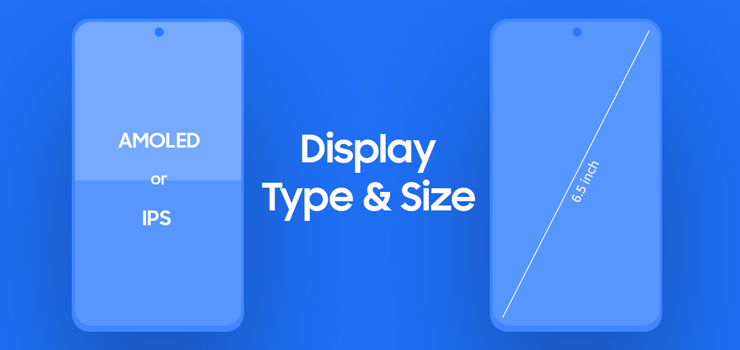
Speaking of refresh rates, anything below 90Hz feels outdated today. Most mid-range and flagship devices offer 120Hz smooth displays, making scrolling, gaming, and video playback more enjoyable. Some gaming phones even go up to 144Hz. If you love content, a high-resolution AMOLED display with at least a 120Hz refresh rate should be a top priority.
5. Camera Quality & AI Features
Smartphone photography has seen the biggest leap in recent years. In 2026, even budget smartphones offer multiple cameras and solid low-light performance. But the real game-changer is AI-assisted photography, which enhances images in real time.
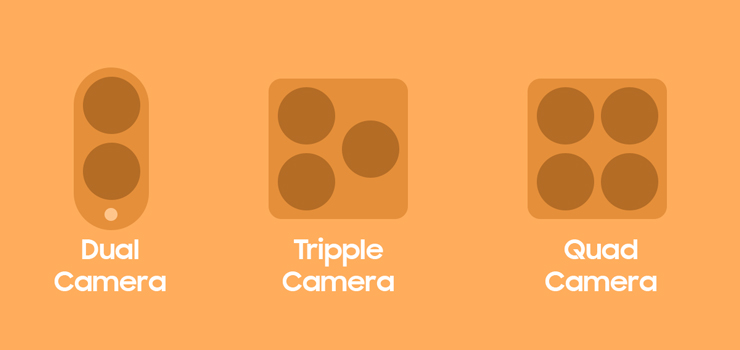
Most phones list three or four cameras, but they are not equal. The main camera does most of the work, so its sensor size and stabilization matter most. An ultra-wide lens captures more of the scene, making it useful for group photos, rooms, and landscapes, but it usually performs worse in low light than the main camera. A telephoto lens gives true optical zoom for portraits and distant subjects, while a periscope telephoto lens on some flagships offers even greater zoom. Macro lenses on budget phones are often low resolution and add little value, so don’t pay extra just to get one.
Flagship smartphones can record videos in 4K and 8K, with features like OIS or EIS, cinematic video modes, and pro-level manual controls. AI tools now assist with night photography, portrait enhancements, object removal, and background adjustments, making professional-quality photos possible with just one tap.
For vloggers and selfie enthusiasts, front cameras have also improved, with 32MP, 50MP or higher resolutions, autofocus, and 4K video capabilities. If you take lots of photos and videos, make sure to compare real-life samples before buying.
6. Storage & Cloud Options
Storage is another critical factor. In 2026, most phones start at 128 GB, with options going up to 1 TB in flagship models. Considering the size of today’s apps, games, and high-resolution videos, having at least 128 GB is the minimum we recommend today, and 256 GB is the best balance for most people.
For moderate users, 128-256 GB will be enough. But if you record 4K/8K videos, download large files, store lots of games, 512 GB or more is recommended. While many smartphones now skip microSD expansion slots, cloud storage options like Google One, iCloud, and OneDrive provide flexible solutions.
If you plan to keep your phone for several years, it’s safer to go with higher storage since media quality and file sizes will only grow.
7. Connectivity
5G launched in Bangladesh in 2025 and is still expanding. So, 5G is no longer a luxury; it’s becoming standard now. Even mid-range phones in Bangladesh now support 5G, offering blazing-fast downloads, smoother video calls, and lag-free online gaming. When buying, make sure your phone supports local 5G bands for maximum compatibility and check coverage in your area before paying extra.
eSIM is rapidly gaining popularity in Bangladesh. Instead of using a physical SIM card, an eSIM lets you activate a mobile plan digitally. This means you can switch between carriers more easily and use multiple numbers on the same device. Many phones now come with dual SIM setups (physical + eSIM), making them flexible for both personal and professional use. eSIM support varies by model and by regional version, so check it before you buy.
Other connectivity features to check include:
- USB Type-C 3.0 or higher for faster data transfer
- Wi-Fi 6 or Wi-Fi 7 for better wireless speeds and stability
- Bluetooth 5.3 for efficient wireless connections
- NFC for contactless payments and accessories
- OTG support for connecting flash drives and accessories
Connectivity directly affects usability, so a future-proof smartphone should have the latest standards.
8. Operating System & Software Updates
The smartphone experience is heavily influenced by the operating system. It's your phone's software that decides how secure and useful it stays over time. You mainly have two options: iOS and Android.
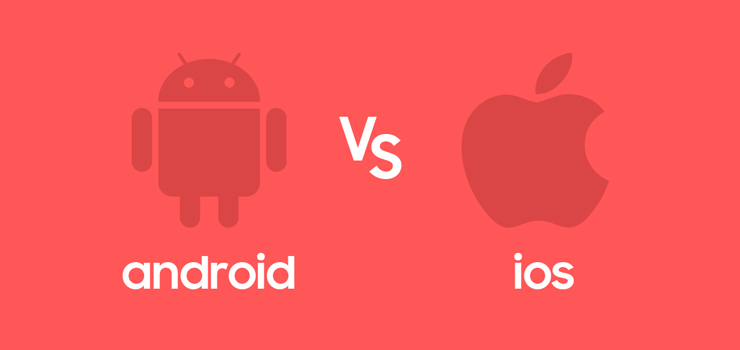
iOS (Apple): Known for smooth performance, long-term updates, and security. It integrates perfectly with other Apple devices like MacBooks and iPads.
Android: Offers more flexibility and customization. Different brands like Samsung, Xiaomi, and OnePlus put their own spin on Android with custom skins such as One UI, HyperOS, OxygenOS, and a near-stock experience on Google Pixel.
Software updates are vital. Several flagship Android brands now promise up to 7 years of OS updates and security support. Apple, on the other hand, typically supports devices for 5 to 6 years. Mid-range and budget Android phones usually get less, so check the brand's published update policy for the exact model before you buy. If you plan to keep your phone long-term, ensure it gets regular updates.
9. Warranty, Official vs Unofficial & NEIR Registration
Warranty and authenticity are important factors for buyers in Bangladesh, and they're often overlooked. While unofficial phones may come at a lower price, an official device can offer greater peace of mind through local warranty coverage, authorized after-sales service, and easier access to support. Paying a slightly higher price with an official warranty often saves money in the long run.
In 2026, IMEI registration matters in Bangladesh. Bangladesh’s NEIR, run by BTRC, checks every new handset that connects to a local network. Unregistered new phones can be disconnected after a short grace period. To check any phone, dial *#06# to see its IMEI, then send KYD followed by the IMEI to 16002. Make sure the IMEI matches the number on the phone, its box, and your purchase documents.
Before you pay, check what the warranty covers (battery, screen, water damage), how long it lasts, and where the service centers are. For more detail, read our guide on how to check official and unofficial phones in Bangladesh and our explainer on NEIR and the unofficial phone ban.
10. Durability & Extra Features
Durability is also important. Look for phones with IP68 or IP69 ratings, meaning they are resistant to water and dust. Gorilla Glass Victus or newer and other strengthened materials are also becoming common. For creative professionals, features like stylus support are useful. AI-driven tools such as real-time translation, document scanning, and voice assistants are now built into many phones, adding everyday convenience.
Smartphones in 2026 offer a lot beyond the basics. Foldable phones, once experimental, are now mainstream. Devices like the Samsung Galaxy Z Fold, Z Flip, and Huawei Mate X series combine portability with productivity, offering larger displays for work and entertainment.
These features may not be must-haves for everyone, but they highlight how smartphones are becoming smarter and more adaptable.
Which Smartphone Brand Should You Choose in 2026?
No single brand is best for everyone, so start with what matters most to you. If you want long software support and a polished ecosystem, look at Apple, Samsung and Google Pixel. Samsung also leads on AMOLED screens and foldables, and Pixel is strongest for AI-powered photography.
If value for money matters most, Xiaomi Redmi, Realme, Infinix and TECNO offer big batteries and fast charging at lower prices. For cameras, design, and fast charging, OnePlus, OPPO, Vivo and HONOR are worth a look.
Whichever brand you pick, check that the exact model is sold officially in Bangladesh with a local warranty, because that matters more than the logo on the back.
Final Checklist Before You Buy a New Phone
- Set a realistic budget and stick to it
- Choose a recent chipset and at least 8 GB of RAM for smooth long-term use
- Check battery size and whether a charger is in the box
- Prefer a 120Hz AMOLED display from the mid-range up
- Compare real camera samples, not just megapixels
- Pick 256 GB if you plan to keep the phone for years
- Check 5G coverage and band support, and eSIM support if you need it
- Confirm the software update policy for your exact model
- Buy a phone with an official warranty and a properly registered IMEI
Ready to choose? Browse the latest smartphones at Star Tech and compare prices, specs and warranty details before you decide.
Where to Buy The Best Smartphone in Bangladesh?
Choosing a smartphone in 2026 is about balancing budget, performance, and future-proofing. With so many brands and models available, it’s easy to get lost in technical jargon and flashy marketing. But by focusing on these 10 key factors: budget, performance, battery, display, camera, storage, connectivity, operating system, eSIM, and innovation, you’ll be able to pick a phone that truly matches your needs.
And remember to always buy from an official store like Star Tech. Doing so ensures that you get a genuine product, full warranty, and reliable after-sales support. Whether you’re after a budget-friendly device or the latest flagship, Star Tech offers a wide range of authentic smartphones from top brands worldwide.
Frequently Asked Questions (FAQS)
What should I consider before buying a smartphone?
Start with your budget and intended use. Then compare performance, RAM, storage, display quality, camera capabilities, battery life, software support, and warranty conditions.
How much RAM do I need in a smartphone?
Around 6 to 8GB of RAM is a practical starting point for many everyday users. Gamers and heavy multitaskers may benefit from 8 to 12GB or more, depending on the device and workload.
Are 5G phones worth it in Bangladesh?
Yes. A 5G phone can be worthwhile if compatible service is available in your area and your mobile operator supports the phone's network bands. Check local availability and compatibility before paying extra for 5G.
Is fast charging important?
Yes. Fast charging is very useful if you frequently need to recharge your phone. If you’re always on the move, fast charging is a must-have feature.
Should I buy a foldable smartphone?
A foldable phone can be useful if you want a larger screen for multitasking and entertainment. Consider its price, durability, repair costs, and whether you will regularly use the folding design.
Do I need eSIM support in Bangladesh?
Not necessarily. eSIM is useful when your operator and device variant support it, especially for travelers or people who manage multiple numbers. Physical SIM support remains important for many users.
How much storage do I need?
For average users, 128GB is sufficient for everyday apps and media. If you store lots of photos, videos, and games, 256GB or more may be a better choice.
Which smartphone brand has the best camera?
There is no single best brand for every type of photography. For social media ready photos, Apple iPhones, Google Pixel, and Vivo/OPPO flagships stand out with AI-powered enhancements, low-light performance, and pro-level video features.
How long should a smartphone last?
A well-maintained smartphone can last 4 to 6 years. Look for models with long software update support. Apple and Google lead in this area, while Samsung and OnePlus also offer extended updates.
How can I check whether a smartphone is genuine in Bangladesh?
Buy from reputable sellers like Star Tech and confirm the model and warranty details. Also check the device's IMEI through the official BTRC NEIR portal.

Comments
There are no comments for this Article.