
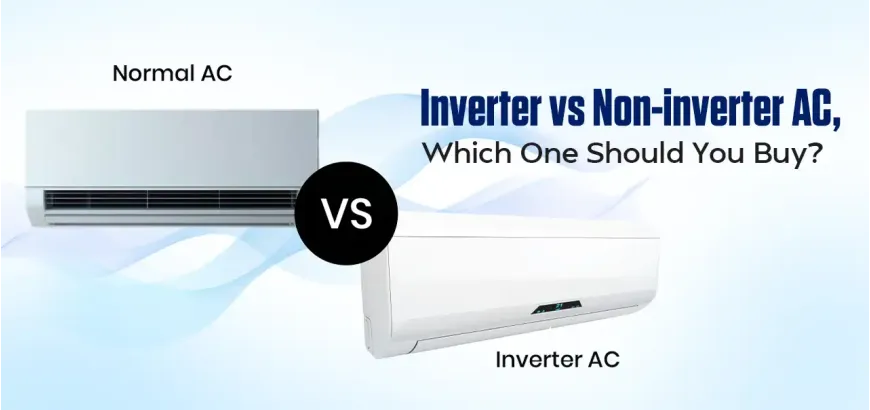
When the blazing summer sun makes Bangladesh unbearable, air conditioners have become an essential home appliance in every household. With the market full of inverter and non-inverter AC choices, buyers often find themselves in a dilemma. This blog dives deep into the debate that will help you pass the inverter or non-inverter AC puzzle. Typically, power consumption, cooling efficiency, and lifespan are the key differences between inverter and non-inverter AC.
In short, both aircon have their unique advantages. Whether you prefer the initial cost savings of a non-inverter air conditioner or the long-term efficiency of an inverter, this guide on inverter vs non-inverter AC is here to help you choose wisely. By understanding your requirements and budget, you'll be well-equipped to compare inverter and non-inverter air conditioners in Bangladesh for buying one. If you want to go deeper, have a look at our AC buying guide.
Table of Contents
- What is an Inverter AC and How It Works
- Advantages of Inverter Air Conditioners
- Disadvantages of Inverter Air Conditioners
- What is a Non-Inverter AC and How It Works
- Advantages of Non-Inverter Air Conditioners
- Disadvantages of Non-Inverter Air Conditioner
- Inverter or Non-Inverter, Which Type of AC is Suitable For You
- Inverter or Non-Inverter: Which AC Wins on Key Factors?
- Table of Advantages & Disadvantages of Inverter & Non-Inverter
- Wrapping Up the Inverter or Non-Inverter AC Dilemma
What is an Inverter AC and How It Works
We will start our Inverter vs Non-inverter AC comparison with the better one for most people. Yes, this is the inverter technology. We will also look at how they actually operate. Well, these air conditioners use a special variable-speed compressor. This clever part directly controls the compressor speed. It adjusts the power to deliver steady cooling. The motor speeds up or slows down as needed. This action saves electricity and keeps your room comfortable.
Advantages of Inverter Air Conditioners
When looking at an inverter vs non-inverter unit, the benefits are clear. These smart devices save you serious money on electricity bills. They cool rooms efficiently by adjusting compressor speeds. They also run very quietly, letting you sleep better at night.
- Lower monthly energy bills.
- Cools rooms with the best efficiency.
- Consistent room temperature.
- Less noise during operation.
Disadvantages of Inverter Air Conditioners
Are there downsides when comparing non inverter vs inverter AC performance? Yes, buyers face much higher initial purchase prices in the market. Also, repairs cost more because the internal parts are highly complex. You will need expert technicians to safely fix any cooling issues.
- High upfront buying cost.
- Expensive replacement parts.
- Needs highly skilled mechanics.
You might ask, doesn’t that harm our environment? Early disposal can, so maintain it well.
What is a Non-Inverter AC and How It Works
These older units rely on a simple fixed-speed compressor to cool your space. This motor runs at full power, rapidly cooling the space until the room reaches the target temperature. Then, the system shuts off completely. It turns back on only when the room gets warm again. The feature surely excels this cooling technology in our inverter vs non-inverter AC comparison, no doubt.
Advantages of Non-Inverter Air Conditioners
Non-inverter air conditioners attract many buyers, mostly because they cost much less upfront. Budget-conscious buyers easily find these affordable units at local electronics stores and online stores like Star Tech. You can shortlist the best budget non-inverter Xiaomi air conditioners if you are one of them. Since they use simpler fixed-speed parts, you spend less money on repairs and standard maintenance over the years.
- Very low starting price.
- Cheaper replacement parts.
- Easy to find local repairmen.
- Great for occasional daily use.
Disadvantages of Non-Inverter Air Conditioner
The biggest problem with these older machines involves extremely high electricity bills. The motor turns fully on and completely off repeatedly to cool your room down. Considering today’s inverter vs non-inverter air conditioner argument, this heavy power consumption in non-inverter coolers quickly drains your wallet. Their indoor units also make a lot more noise while running inside.
- Huge daily power consumption.
- Uneven room cooling temperatures.
- Loud operational background noise.
- Shorter overall machine lifespan.
Inverter or Non-Inverter, Which Type of AC is Suitable For You
Knowing how they work helps us choose the right cooling unit. Let’s think about residential homes and commercial offices. A Bedroom or a living room needs different cooling than huge data centres. Here is what fits best for your specific daily needs.
Home
When buying an AC for your home, inverter models work best. They save money over time. This convenience makes them perfect for middle-class homeowners. A standard room of 120 to 250 sq ft stays comfortably cool all night long.
Retail Shop
Small store owners often keep doors open. A non-inverter model is usually enough here. Many money-saving shoppers look for low initial prices in 2026. The fixed-speed motor handles sudden heat changes quickly when customers walk inside. The highly performant non-inverter Sharp AC can be the best pick for this type of professional usage.
Office
Smart office managers will prefer inverter technology for their workspaces in every inverter vs non-inverter AC comparison. Because workplaces run machines for eight to ten hours straight. When comparing an inverter AC vs normal AC, the energy savings are huge. This keeps business expenses much lower every month.
Hotels & Restaurants
Cafeteria owners need constant climate control for their guests. You must weigh the pros and cons of both inverter and non-inverter AC units here. Dining halls need quick cooling from non-inverters. Guest rooms require the quiet operation of inverter models.
Hospital
Clinics and wards demand strict temperature stability. If you are upgrading an older setup, always choose an inverter system for spaces like this. Because patients need a silent environment to heal properly. The variable-speed motor provides consistent cooling without annoying start-up noise.
Server Room
Bearing in mind that computer networks constantly generate massive amounts of heat, while considering the inverter vs non-inverter AC choosing factors. These spaces require machines that run at full capacity every hour of the day. A heavy-duty, non-inverter AC unit from the General Air brand is highly effective for this extreme workload. It pushes cold air continuously to protect vital hardware.
Inverter or Non-Inverter: Which AC Wins on Key Factors?
Now that we know where these units fit best, let us see which cooling technology is best for specific user expectations. In different spaces such as educational institutions, small offices, large rooms, or small apartments, specific features matter most. Let us explore the main deciding points closely.
Fast Cooling & Temperature Stability
Do you hate waking up sweating? One of the main differences between an inverter and a non-inverter AC is steady cooling. Older models turn off and on constantly. This action causes uncomfortable temperature fluctuation in your room. Newer models adjust their speed to keep your space perfectly chill all day.
If your priority is to instantly cool your room, non-inverter air conditioners are likely your choice.
Energy Efficiency
Everyone wants lower electricity bills. The savings are not really 100% with inverter air conditioners, but they can save up to 60% electricity consumption compared to non-inverter models. For instance, the LG air conditioners with dual-inverter technology simply reduce power waste greatly. You will notice straight away the huge drop in your monthly utility costs.
Usage Frequency
If you only run your machine for an hour daily, buy a fixed-speed air conditioner. It handles short cooling jobs perfectly. However, if you keep the machine running all night, an inverter model is much better. It handles heavy daily use without easily breaking down.
Upfront Cost
Let us look at the price tags. When checking a dual inverter vs non-inverter AC, the older models win the budget fight. They cost much less at the store. Affordable inverter AC models from the Beko brand are also cheap to buy today.
Longevity
Every buyer wants a machine that lasts for years. Smart cooling machines use a variable-frequency drive (VFD). This part stops the motor from turning on and off roughly. Less stress on the motor means the machine lives longer. Older models wear out much faster due to hard starts. In terms of body parts, Gree AC setups are known for superior durability across all price points.
Noise level
Nobody likes a loud machine in their bedroom or living room. You must have noticed that some air conditioners make a very noisy start. They are actually the older type, those hums and rattles loudly during start-up. On the other hand, the newer variable speed models run quietly in the background. You can easily sleep soundly without any annoying buzzing sounds.
Maintenance Needs & Cost
Repair costs worry many homeowners, and in this field, non-inverter models will take the lead in the race of inverter vs non-inverter air conditioners. Older cooling machines have simple parts. Any local mechanic can fix them quickly at less cost. Modern smart units have complex computer boards inside them. You must hire expensive brand technicians to fix these advanced parts when they break down.
Environmental Impact
We must protect our planet from global warming. Non-inverter units consume massive amounts of energy daily. This heavy power use creates high carbon emissions in our atmosphere. Inverter machines use less electricity overall. They are much friendlier to nature and help keep our earth green.
Table of Advantages & Disadvantages of Inverter & Non-Inverter
Finding the right cooling machine takes careful thought. As you can see, both air conditioning types have individual merits and demerits. This quick summary helps you pick the perfect unit.
Wrapping Up the Inverter or Non-Inverter AC Dilemma
Choosing the perfect AC cooling tech in Bangladesh comes down to your specific needs, room size, and daily usage pattern. If you want long-term energy savings, quiet operation, and consistent comfort, investing in a smart inverter AC is the clear winner. Conversely, if you have a strict budget and only need basic, occasional cooling, a non-inverter unit remains a highly practical option.
Also, carefully weigh your upfront costs against future electricity bills to pick the air conditioner that best fits your lifestyle. In this guide, we tried to break down the key inverter vs non-inverter AC comparison factors more choosing the suitable fit for you. Don't rush the decision. Overview of different model features, compare prices at Star Tech online shop, and read our customer reviews before making your final purchase.
Frequently Asked Questions (FAQS)
Which is better, an inverter AC or a non-inverter AC?
The best choice depends on your daily needs and budget. An inverter AC is better for heavy daily use. It saves energy and keeps the room temperature steady. A non-inverter AC works well for short cooling times and tight budgets.
What are the disadvantages of an inverter AC?
Disadvantages of an inverter AC include higher initial costs, expensive repairs, and complex maintenance. However, energy savings from inverter vs. non-inverter AC often justify these drawbacks.
Which AC is cheaper, an inverter or a non-inverter?
A non-inverter AC is much cheaper to buy initially. You will spend less money at the electronics store. However, an inverter AC costs more upfront but saves money over time. It greatly reduces your monthly electricity bills.
Which AC is better for long-term use?
An inverter AC is the clear winner for long-term use. The smart motor adjusts its speed smoothly. It does not stop and start roughly like older models. This gentle action protects the internal parts.
Is a non-inverter AC good for low usage?
Yes, a non-inverter AC is perfect for low usage. If you only run the machine for an hour or two daily, buy this type. It cools the room fast and costs less at the shop.
Which AC cools faster, the inverter or the non-inverter?
A non-inverter AC cools the room faster at startup. The motor runs at full power as soon as you turn it on. It immediately pushes out maximum cold air. An inverter model takes a little more time to reach the target temperature.

Comments
There are no comments for this Article.